




The skin of the ocean

On the surface of the oceans is a thin layer of water, less than a millimeter thick. According to researchers at the CNRS, it could influence the amount of CO2 absorbed by the atmosphere.


In Progress
Great Migration of Life
The Sardine Run, the migration of sardines in southern Africa, is the largest and most famous underwater wildlife event in the world. Its spectacular nature has inspired...

In Progress
Noah's Ark
A scientific program by the 1 OCEAN Foundation to understand and preserve animal forests. August 2022. After a particularly amateurish summer...

In Progress
Lagoon of Hope
Coral reefs could disappear by 2050. Inevitably, the temperature of our oceans is rising, gradually leading to the decline of this ecosystem...

In Progress
Cap Roux
The Cap Roux fishing reserve is a 450-hectare marine protected area at the foot of the Estérel Massif in the Var department. Inside this reserve, created in...
Transmission to the General Public


Social Networks
Support 1 OCEAN and take action to preserve the oceans.
Donations, sponsorships, bequests:
choose how you want to get involved!
Boost your CSR image, raise awareness among your teams, and benefit from international visibility.
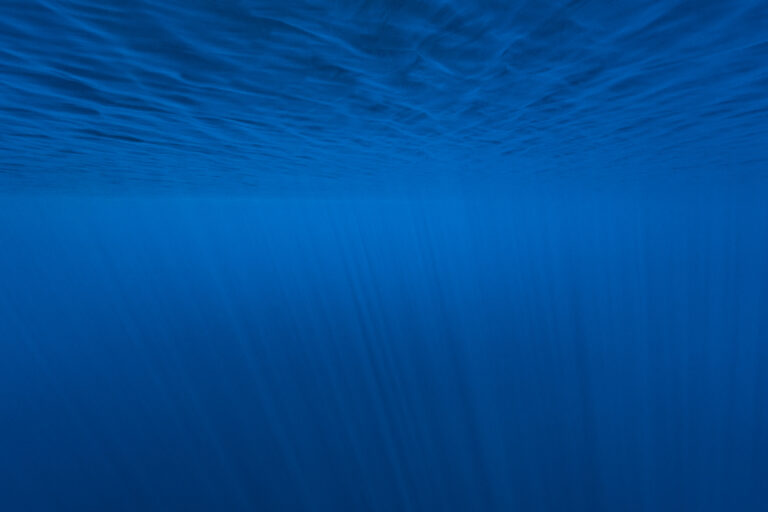
On the surface of the oceans is a thin layer of water, less than a millimeter thick. According to researchers at the CNRS, it could influence the amount of CO2 absorbed by the atmosphere.
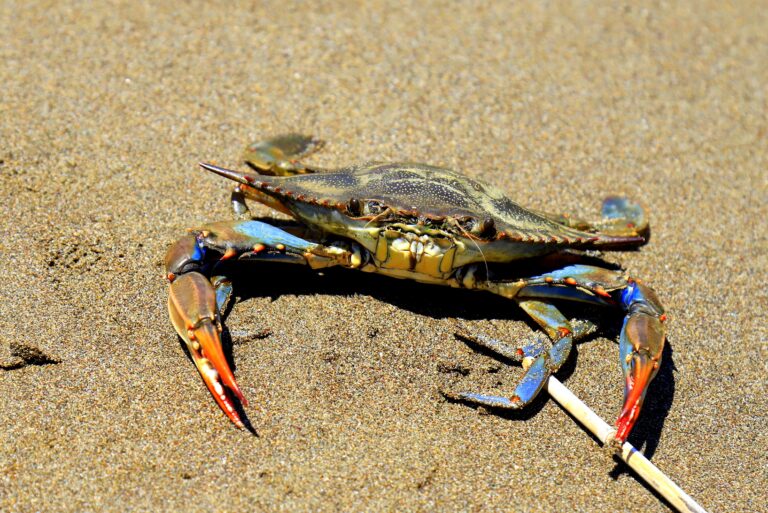
Originally from North America, this blue-clawed crab has gradually spread to the Mediterranean. In recent months, its proliferation has accelerated in France, Spain, and especially Italy. It has become the bane of fishermen who are trying to combat this voracious invader.
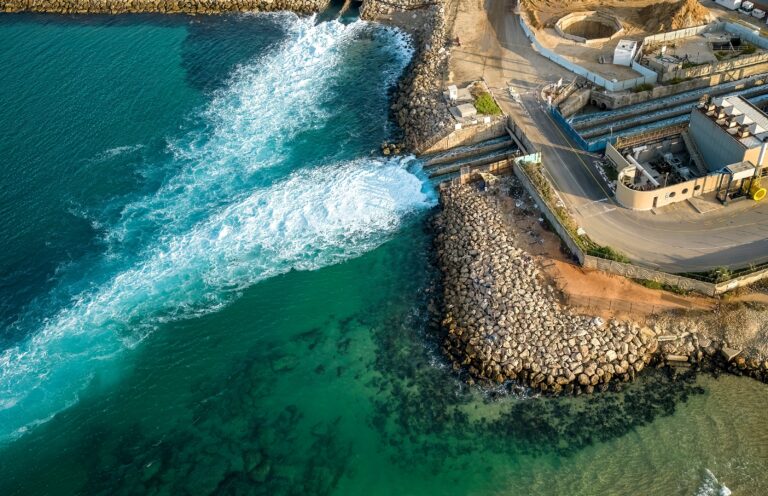
Many populations around the world are facing freshwater shortages. To address this issue, new desalination plants are being built every year, but these plants raise questions. As major consumers of fossil fuels, are they compatible with sustainable development?