




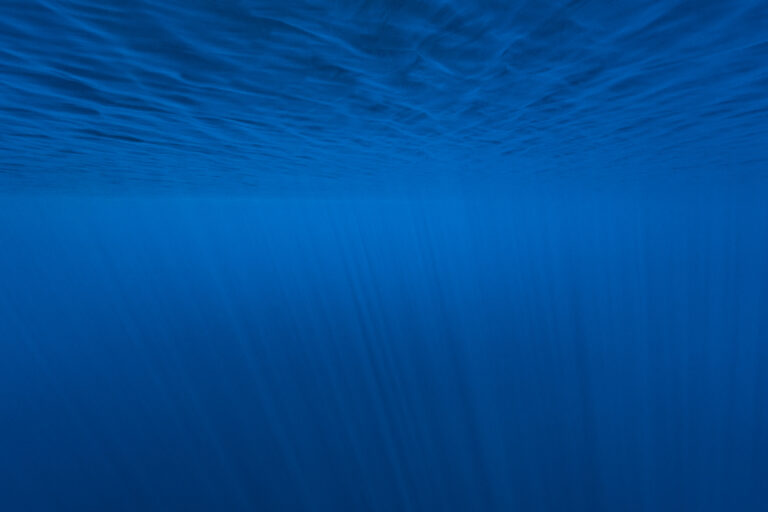
The skin of the ocean
On the surface of the oceans is a thin layer of water, less than a millimeter thick. According to researchers at the CNRS, it could influence the amount of CO2 absorbed by the atmosphere.



In Progress
Great Migration of Life
The Sardine Run, the migration of sardines in southern Africa, is the largest and most famous underwater wildlife event in the world. Its spectacular nature has inspired...

In Progress
Noah's Ark
A scientific program by the 1 OCEAN Foundation to understand and preserve animal forests. August 2022. After a particularly amateurish summer...

In Progress
Lagoon of Hope
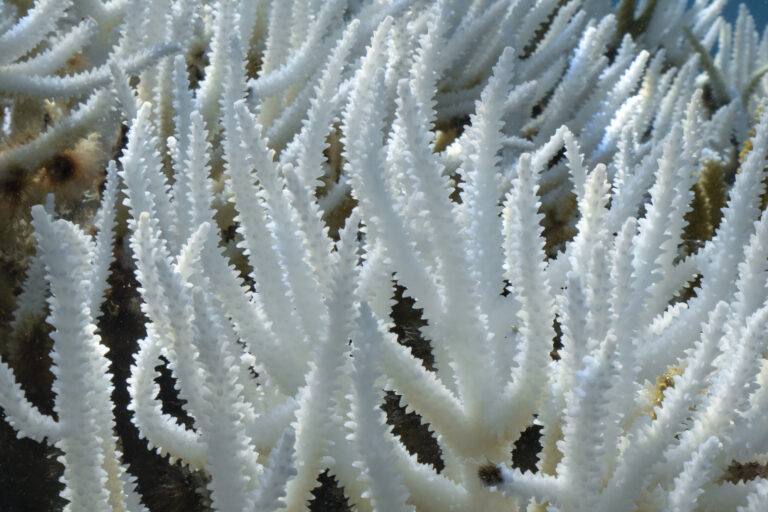
Coral reefs could disappear by 2050. Inevitably, the temperature of our oceans is rising, gradually leading to the decline of this ecosystem...

In Progress
Cap Roux
The Cap Roux fishing reserve is a 450-hectare marine protected area at the foot of the Estérel Massif in the Var department. Inside this reserve, created in...
Transmission to the General Public


Social Networks
Support 1 OCEAN and take action to preserve the oceans.
Donations, sponsorships, bequests:
choose how you want to get involved!
Boost your CSR image, raise awareness among your teams, and benefit from international visibility.
On the surface of the oceans is a thin layer of water, less than a millimeter thick. According to researchers at the CNRS, it could influence the amount of CO2 absorbed by the atmosphere.
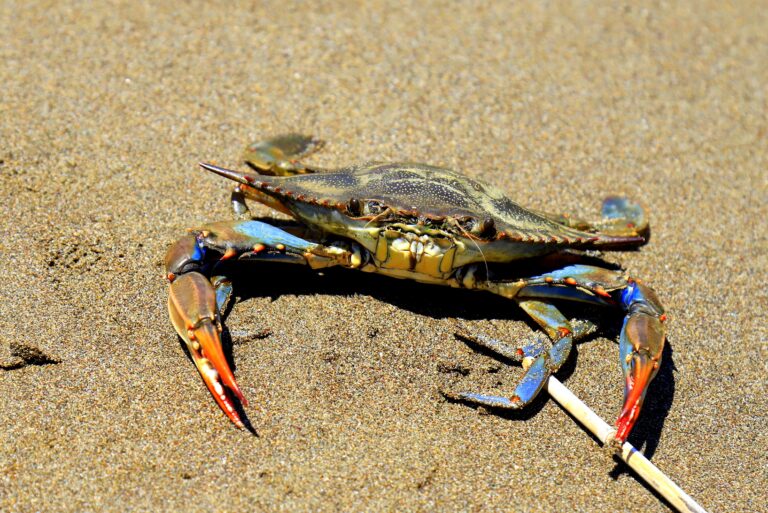
Originally from North America, this blue-clawed crab has gradually spread to the Mediterranean. In recent months, its proliferation has accelerated in France, Spain, and especially Italy. It has become the bane of fishermen who are trying to combat this voracious invader.
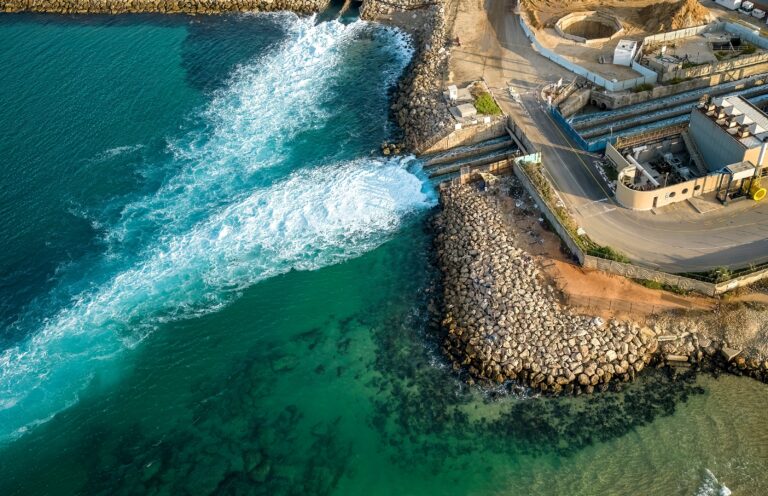
Many populations around the world are facing freshwater shortages. To address this issue, new desalination plants are being built every year, but these plants raise questions. As major consumers of fossil fuels, are they compatible with sustainable development?
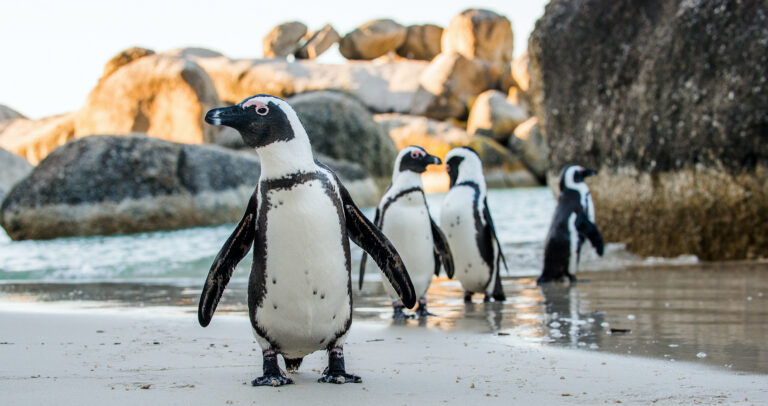
To counteract the decline in Cape penguin populations, South Africa's Department of Environmental Affairs has announced restrictions on sardine fishing.
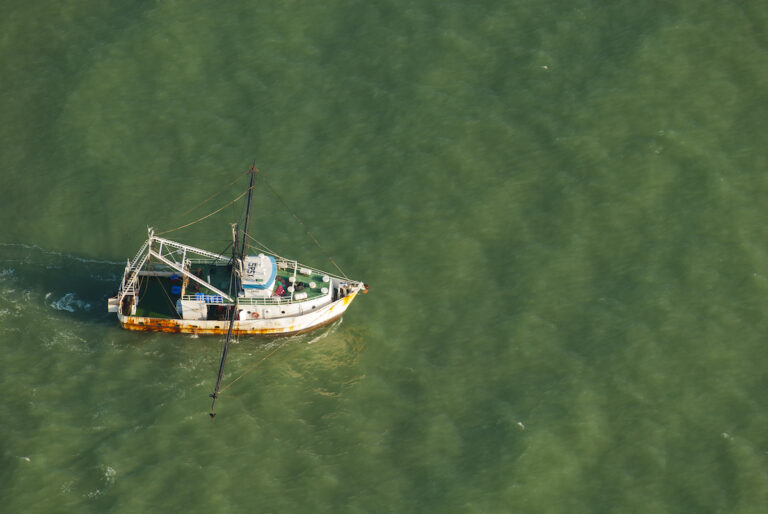
According to a study published in the journal Nature, more than half of the world's oceans have undergone significant color changes in recent centuries. This is believed to be an indirect consequence of climate change.
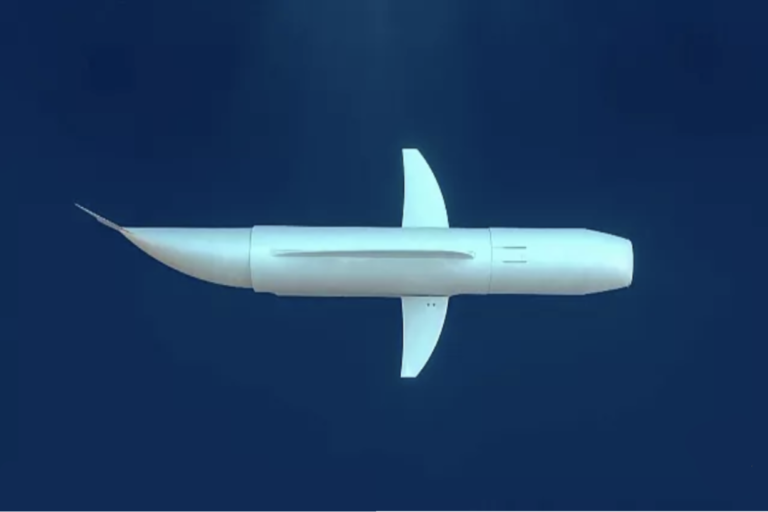
Created by students, Belle is a new model of silent, autonomous robot fish. These two features make this prototype a valuable ally for biologists seeking to observe marine environments without disturbing them.
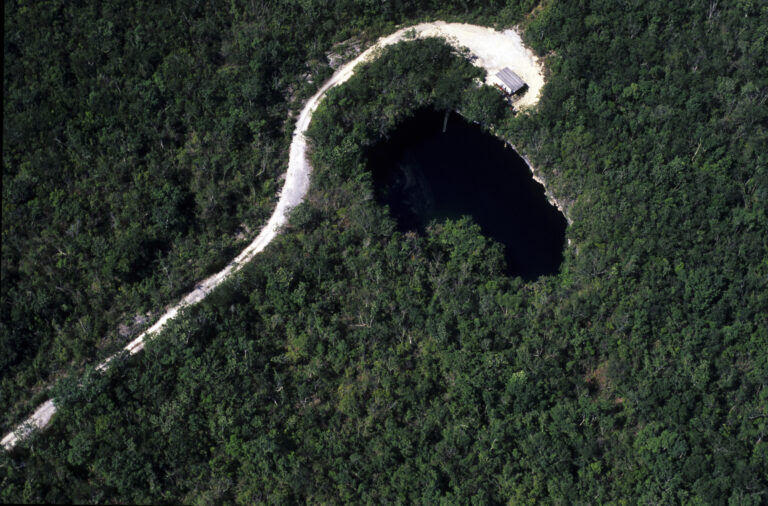
With a maximum depth of 270 meters, the underwater cave in Chetumal Bay (on the east coast of the Yucatan Peninsula) is now the second deepest blue hole known to date. First explored in 2021, the site, named Taam Ja’, is home to an astonishing biodiversity and has sparked the curiosity of the scientific community.
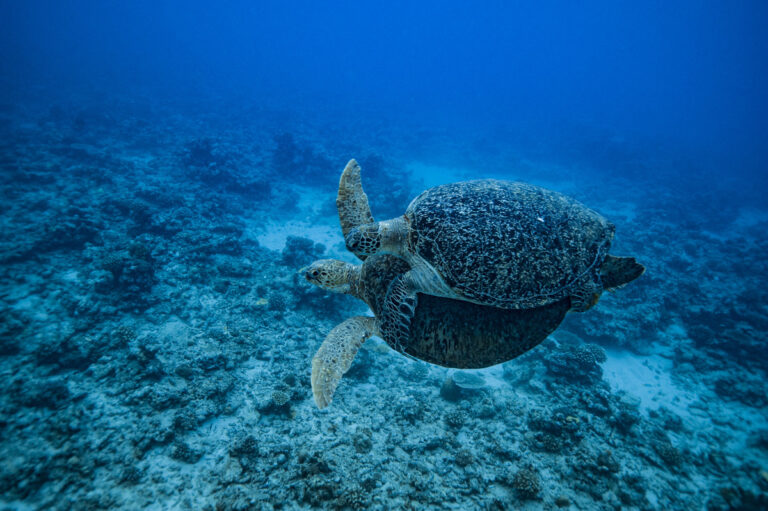
In New Caledonia, turtles and sharks have become the first animal species to be granted rights. Like humans, they will now be able to be represented in court.
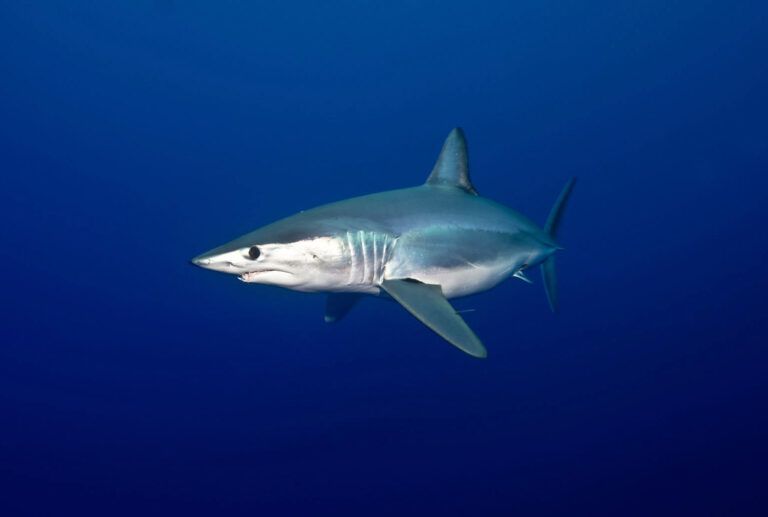
On Monday, June 26, vacationers enjoying the beaches of Marseillan, in the Hérault region, witnessed a rare phenomenon: the presence of a mako shark, trapped in 30 centimeters of water. Alerted, technicians from the Agde coast marine protected area arrived too late to save it.
Researchers at UCLA in California have developed a protocol capable of extracting CO2 from the ocean. Their objectives: to find a way to combat the effects of global warming and slow down ocean acidification.
On the surface of the oceans is a thin layer of water, less than a millimeter thick. According to researchers at the CNRS, it could influence the amount of CO2 absorbed by the atmosphere.
Originally from North America, this blue-clawed crab has gradually spread to the Mediterranean. In recent months, its proliferation has accelerated in France, Spain, and especially Italy. It has become the bane of fishermen who are trying to combat this voracious invader.
Many populations around the world are facing freshwater shortages. To address this issue, new desalination plants are being built every year, but these plants raise questions. As major consumers of fossil fuels, are they compatible with sustainable development?
To counteract the decline in Cape penguin populations, South Africa's Department of Environmental Affairs has announced restrictions on sardine fishing.
According to a study published in the journal Nature, more than half of the world's oceans have undergone significant color changes in recent centuries. This is believed to be an indirect consequence of climate change.
Created by students, Belle is a new model of silent, autonomous robot fish. These two features make this prototype a valuable ally for biologists seeking to observe marine environments without disturbing them.
With a maximum depth of 270 meters, the underwater cave in Chetumal Bay (on the east coast of the Yucatan Peninsula) is now the second deepest blue hole known to date. First explored in 2021, the site, named Taam Ja’, is home to an astonishing biodiversity and has sparked the curiosity of the scientific community.
In New Caledonia, turtles and sharks have become the first animal species to be granted rights. Like humans, they will now be able to be represented in court.
On Monday, June 26, vacationers enjoying the beaches of Marseillan, in the Hérault region, witnessed a rare phenomenon: the presence of a mako shark, trapped in 30 centimeters of water. Alerted, technicians from the Agde coast marine protected area arrived too late to save it.
Researchers at UCLA in California have developed a protocol capable of extracting CO2 from the ocean. Their objectives: to find a way to combat the effects of global warming and slow down ocean acidification.
With your donation of €1 per month, you can help fund our research and conservation projects. Donate today and be part of the solution!
Thank you for your support of 1Ocean.